

WW1 Victory Medal Explained: History, Value & What to Look For
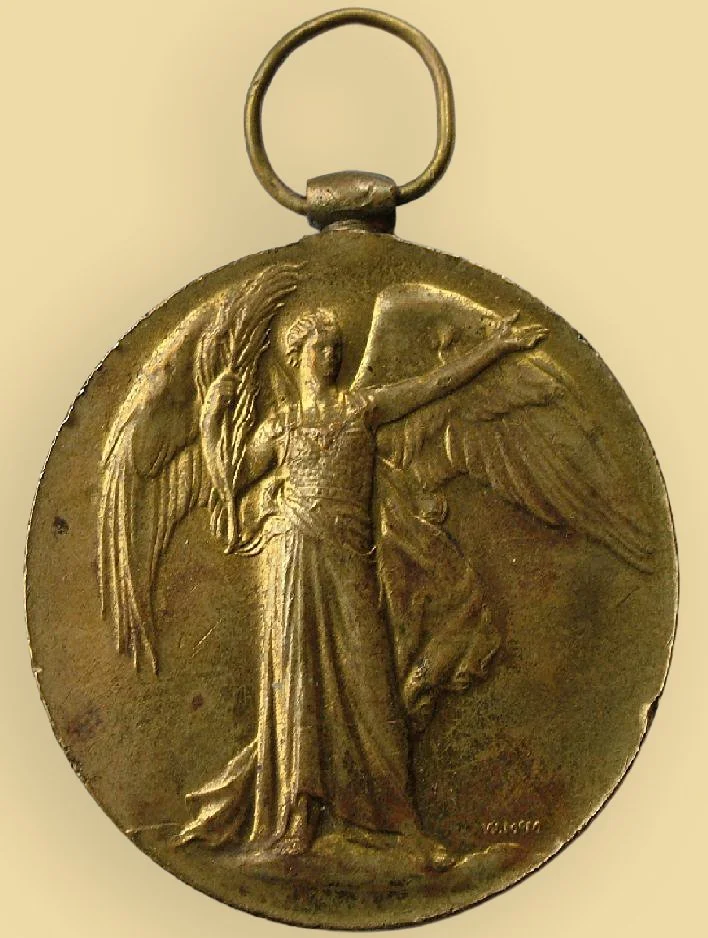
The Victory Medal (World War I) is one of the most recognisable military medals from the First World War, easily identified by its distinctive rainbow-coloured ribbon.
Awarded to those who served in a theatre of war between 1914 and 1919, it was issued alongside the British War Medal and, in some cases, the 1914–15 Star, forming what collectors often refer to as a “pair” or “trio.”
Featuring a winged figure of Victory on the front, the medal symbolises peace following the end of one of the most significant conflicts in modern history.
⸻
Why You Still See Them Today
Unlike rarer gallantry awards, the Victory Medal was issued in large numbers. As a result, many families across the UK still have one tucked away in a drawer or keepsake box.
It’s very common for people to inherit a medal without knowing:
• who it belonged to
• what it was awarded for
• or whether it has any value
⸻
What the Rainbow Ribbon Means
The ribbon is one of the most distinctive features of the Victory Medal.
Its rainbow design was agreed across Allied nations after the war, symbolising hope and peace following years of global conflict. Each country issued its own version of the medal, but all shared this common ribbon — making it instantly recognisable.
⸻
What Collectors Look For
While the Victory Medal is relatively common, certain details can make a big difference.
Collectors will often look at:
• Naming on the rim – Each medal is officially inscribed with the recipient’s details
• Regiment or unit – Some regiments attract more interest than others
• Medal groupings – A full pair or trio is generally more desirable than a single medal
• Condition – Original ribbon and overall wear play a role in value
Even small details can significantly affect both interest and price.
⸻
More Than Just a Medal
For many people, the real value lies in the story behind the medal.
With the right research, it’s often possible to uncover service records, battalions, and even where an individual served. What might seem like a simple medal can open up a much deeper connection to family history.
⸻
Do You Have One?
At The Medal Centre, we regularly see Victory Medals brought in by families who have inherited them and want to understand more about them.
Whether you have:
• a single medal
• a pair or trio
• or a larger collection
We can help identify, explain, and value what you have — clearly and without pressure.
⸻
Bring It Along
We hold regular valuation events across the UK where you can bring items in for a friendly, straightforward assessment.
• No appointment needed
• Immediate advice
• Honest valuations
Look out for our leaflet in your area or check our upcoming events to find us near you.